Oocyte Retrieval / In Vitro Maturation (IVM) Retrieval
oocyte retrieval, procedure and things to note
When learning about infertility treatment methods, you must have heard of a process called oocyte retrieval. So, how is this procedure performed, what are the notes and possible complications that you need to know before deciding to do it? Let's find out!
What is oocyte retrieval?
Oocyte retrieval, also known as oocyte retrieval, is an important part of in vitro fertilization (IVF) or intrauterine insemination (IUI).
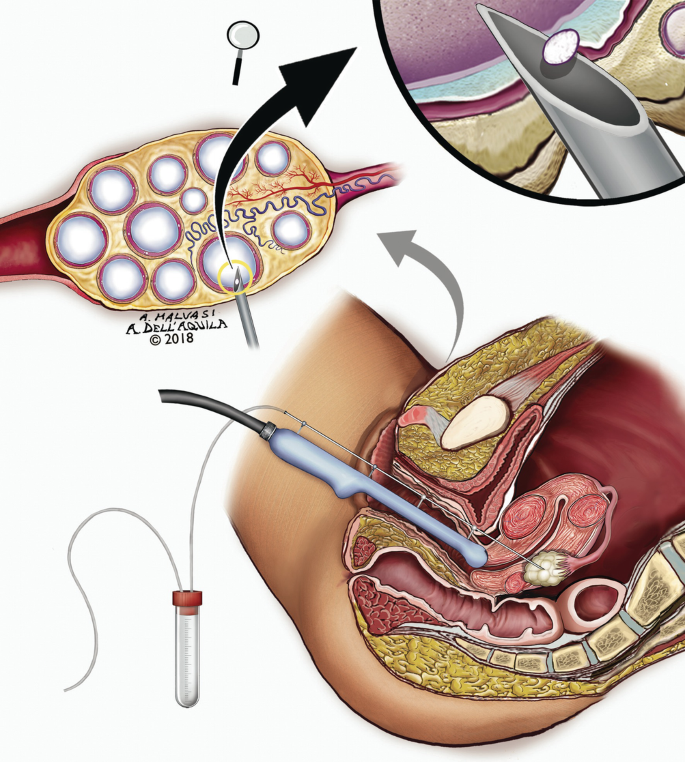
During this process, doctors will use an ultrasound needle to guide ultrasound through the cervix to locate the ovarian follicles (eggs). After that, the eggs (ovules) are extracted from the ovarian follicles and placed into an environment outside the body to be used for fertilization.
Oocyte retrieval is usually performed after ovarian stimulation and after injection of egg maturation medication and ovulation injection, about 36-38 hours.
How does the oocyte retrieval process take place?
Before oocyte retrieval, female patients will be examined and have a full range of tests performed to ensure the procedure and anesthesia are safe.
The patient will be anesthetized before the procedure.
Oocyte retrieval takes about 15 minutes. Under the guidance of transvaginal ultrasound, the aspiration needle will be inserted through the same vaginal map into the ovarian follicles on the ovary through a device attached to the ultrasound probe. After that, the doctor will sequentially aspirate the fluid from the ovarian follicles (containing eggs – ovaries inside) on the two ovaries. The tubes containing the follicular fluid will be sent to the laboratory immediately to find eggs, filter them, and prepare them for fertilization with sperm later.
The doctor will check the medical condition after oocyte retrieval. The patient will be transferred to the recovery room for monitoring and will leave when his health condition has stabilized.
Oocyte retrieval under transvaginal ultrasound
Notes before and after oocyte retrieval
Before oocyte retrieval, patients should:
Abstain from eating and drinking for about 6-8 hours before the aspiration
Arrive on time for your appointment, bring all necessary documents
Do not wear makeup, nail polish or use perfume or smelly chemicals
Trim pubic hair neatly
You should go with a family member to facilitate care and support during and after the oocyte retrieval process.
After oocyte retrieval, patients should:
Eat and drink normally again after waking up, exercise gently, use medication as prescribed by your doctor, and you can go home after at least 1 hour of observation if there are no abdominal pain, bleeding, and no signs of dizziness or nausea. Note: Do not drive yourself home.
Follow up at home:
Exercise gently, avoid strenuous work
Abstain from intercourse until your period returns
Drink lots of water, about 2-3 liters of water/day
Eat lots of meat, fish, eggs, milk
Contact medical staff immediately or have a follow-up examination immediately if you have the following signs: abdominal pain, abnormal bleeding, bloating, difficulty breathing, nausea, and decreased urination.
Follow up with your doctor's appointment to receive notification of the number of eggs collected, the status of the embryos after culture, and the time of embryo transfer.
Complications may occur
Oocyte retrieval is a relatively safe technique, however, there are still a few unwanted complications that can occur such as:
Abdominal pain: common, mild. The level of pain usually increases with the number of eggs removed. Use additional pain relievers, and at the same time, combine changes in diet and lifestyle according to instructions to help the ovaries quickly collapse and avoid ovarian hyperstimulation.
Vaginal bleeding, bladder bleeding, internal bleeding: may occur. At this time, the doctor may need to stop the bleeding on site, irrigate if there is bladder bleeding or in a few situations require a blood transfusion to control. In some cases, laparoscopic surgery may be needed for diagnosis and treatment.
Infection: can be prevented by vaginal hygiene before the procedure and using prophylactic antibiotics.
Damage to neighboring organs: intestines, blood vessels, etc. may occur, but is very rare. Pay attention and apply appropriate prevention and treatment measures if necessary.
When to see a doctor?
Contact Reproductive Support Unit IVF – Phuong Nam Hospital immediately if the following signs appear:
Heavy bleeding (soaking a large sanitary pad for at least 1 hour).
Lots of stomach pain.
Continuous nausea and vomiting.
Dizziness, lightheadedness.
Fever above 38.3 degrees Celsius.
Reproductive Support Unit – Phuong Nam Hospital
Reproductive Support Unit – Phuong Nam Hospital brings together a team of doctors and nurses with many years of experience, owning the only IVF clean room standard laboratory in Vietnam, helping to ensure the best embryo culture environment for customers. Using Timelapse technology to culture embryos and artificial intelligence (AI) to select embryos and accurately evaluate embryo implantation ability, improving the success rate of assisted reproductive treatment. IVF Phuong Chau Sai Gon's happiness is a CLOSER DESIRE on the journey of accompanying customers to find children's laughter.
———-
PHUONG NAM HOSPITAL – A MEMBER OF PHUONG CHAU MEDICAL GROUP Vietnam's leading private obstetrics and pediatrics hospital group provides an excellent experience with a comprehensive Obstetrics – Gynecology – Pediatrics – IVF – General Department ecosystem.
Address: 2 Nguyen Luong Bang, Tan My Ward, City. Ho Chi Minh




 Fertility Center accredited to international RTAC & JCI quality standards in Ho Chi Minh City