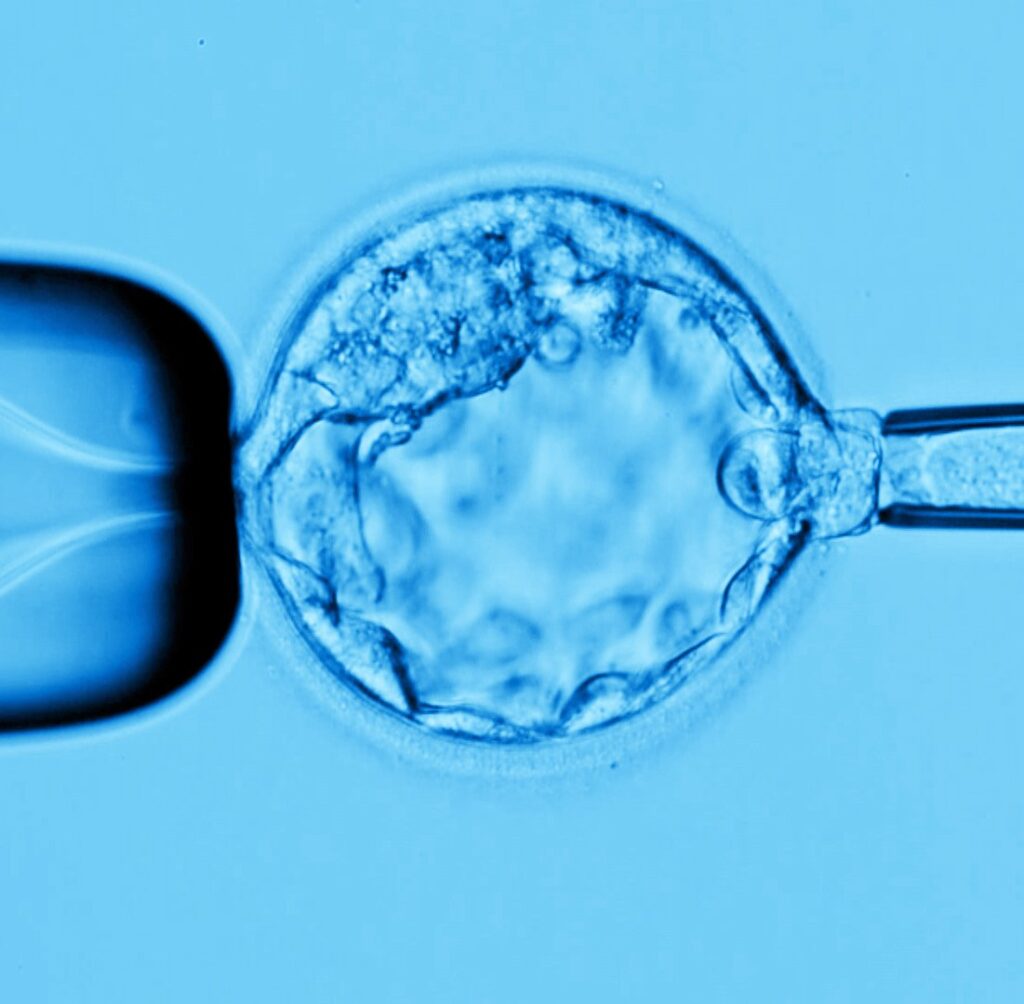
PGT – Decoding the Future for the Next Generation: Preimplantation Genetic Testing
PGT (Preimplantation Genetic Testing) is an advanced medical technology that screens embryos for genetic and chromosomal abnormalities prior to uterine transfer. PGT confers significantly higher clinical pregnancy rates, minimizes birth defect risks, and fosters the birth of healthy children for subfertile couples or those with elevated genetic risks. Furthermore, for couples experiencing recurrent implantation failure, PGT delivers superior outcomes by identifying structural and numerical chromosomal abnormalities within embryonic cells.
Why Should You Undergo PGT Testing?
Increased Pregnancy Rates: PGT enables the deselecting of genetically abnormal embryos, thereby substantially elevating successful implantation and clinical pregnancy rates.
Reduced Risk of Miscarriage and Birth Defects: PGT detects severe chromosomal conditions such as Down syndrome, Edwards syndrome, etc., drastically reducing congenital birth anomalies. In addition, PGT-M screens for pathogenic single-gene mutations such as Thalassemia, Hemophilia, Huntington's disease, etc.
Optimized Fetal Health: PGT enables the selection of the healthiest euploid embryos for transfer, contributing to comprehensive, robust fetal development.
Reduced Psychological Stress: Selecting chromosomally normal embryos increases per-transfer pregnancy rates, helping couples achieve pregnancy sooner, mitigating the emotional toll of repeated implantation failures, shortening treatment time, and preventing anxiety disorders.
Cost Effectiveness: By maximizing pregnancy rates per transfer and avoiding futile frozen embryo transfers of non-viable embryos, PGT saves valuable time and cumulative treatment expenses.
Special Clinical Indications: For families with a child affected by a severe monogenic disorder, conceiving a healthy sibling with HLA matching via PGT can enable curative hematopoietic stem cell or bone marrow transplantation for the older sibling. For advanced maternal age women (over 40), PGT efficiently identifies rare euploid embryos among the high proportion of aneuploid embryos resulting from age-related oocyte decline.
The PGT Testing Procedure:
Ovarian Stimulation and Egg Retrieval: Hormonal medications stimulate multi-follicular development, followed by ultrasound-guided transvaginal oocyte retrieval.
In Vitro Fertilization: Mature eggs are fertilized with sperm in the embryology laboratory (typically via ICSI) to create embryos.
Embryo Culture: Embryos are cultured in an advanced laboratory environment up to the blastocyst stage (Day 5/6).
Embryo Biopsy: A few trophectoderm cells are delicately biopsied from each blastocyst for genetic testing without compromising inner cell mass viability.
Embryo Cryopreservation: Biopsied embryos are safely vitrified, awaiting genetic results prior to transfer into a prepared uterine cavity.
Genetic Analysis: Biopsied cellular DNA is amplified and analyzed using next-generation sequencing (NGS) to identify genetic abnormalities.
Embryo Transfer: Genetically healthy, euploid embryos are thawed and transferred into the prepared uterus at the optimal receptivity window.
PGT Encompasses Major Subtypes:
PGT-A / PGT-SR (Preimplantation Genetic Testing for Aneuploidies & Structural Rearrangements): Screens for chromosomal numerical abnormalities (aneuploidies such as Down syndrome, Edwards syndrome) and structural rearrangements (translocations, deletions, duplications).
PGT-M (Preimplantation Genetic Testing for Monogenic/Single Gene Disorders): Diagnoses specific single-gene mutations within embryos, filtering out mutant alleles and selecting healthy embryos for transfer.
Both partners are confirmed carriers of the same monogenic recessive disease.
One partner carries an autosomal dominant or X-linked monogenic mutation.
Couples with a previous child or fetus affected by a diagnosed monogenic disorder.
Family history of severe inheritable monogenic disorders.
PGT-M can diagnose and eliminate common monogenic inherited diseases, including:
Thalassemia: The most prevalent inherited hematologic disease in Vietnam, impairing normal hemoglobin synthesis.
Hemophilia: A bleeding disorder caused by deficiencies in clotting factors, leading to severe hemorrhage and joint hemarthrosis.
Cystic fibrosis: A genetic condition severely impairing the respiratory, digestive, and reproductive systems.
Huntington's disease: A neurodegenerative hereditary disorder causing progressive cognitive, behavioral, and motor decline.
Spinal muscular atrophy (SMA): A genetic motor neuron disease resulting in progressive skeletal muscle weakness and atrophy.
Making an Informed Decision:
PGT is a sophisticated, highly critical medical technology for your future child. Therefore, couples must exercise diligence when selecting a fertility center. Engage in open dialogues with your reproductive geneticists and clinicians to address all inquiries. Strict adherence to medical guidelines before, during, and after PGT guarantees the highest therapeutic efficacy. Key considerations include:
1. Specialist Medical Consultation: Clarify whether the clinical concern relates to parental carrier status or previous affected offspring.
2 Researching the IVF-PGT Medical Center: Choose an accredited center with recognized expertise, a dedicated multidisciplinary medical team, and advanced equipment. Ensure the facility possesses modern genetic testing platforms for precise diagnostics. Evaluate certified clinical success rates and transparent cost structures..
3. Consulting Patient Experiences: Join reputable fertility patient forums to share insights with peers in similar circumstances, followed by direct validation with certified reproductive specialists.
PGT serves as an invaluable diagnostic tool for couples facing prolonged infertility or repeated implantation failure, significantly increasing live-birth probabilities. Investing in PGT represents a prudent decision that saves cumulative expenses and optimizes clinical success. In particular, PGT-M represents a monumental advancement, granting high-risk couples the blessing of healthy offspring. With PGT-A/SR/M, your parenthood journey becomes smoother and filled with renewed optimism.
Assisted Reproductive Technology Unit – Phuong Nam Hospital
The Assisted Reproductive Technology Unit at Phuong Nam Hospital brings together a veteran clinical team and is proud to house the only ISO 5 cleanroom IVF laboratory in Vietnam, ensuring the highest air quality standard for embryo culture. Utilizing Time-lapse incubator technology and Artificial Intelligence (AI) for embryo selection and implantation assessment, we maximize assisted reproductive success rates. The ultimate joy of IVF Phuong Chau Sai Gon is bringing your cherished dream closer on the journey to welcoming your child's laughter.
———-
PHUONG NAM HOSPITAL – MEMBER OF PHUONG CHAU MEDICAL GROUP
A premier private maternal and pediatric healthcare group in Vietnam, providing outstanding patient experiences across an integrated ecosystem: Obstetrics – Gynecology – Pediatrics – IVF – General Practice.
Address: 2 Nguyen Luong Bang, Tan My Ward, Ho Chi Minh City


 Fertility Center accredited to international RTAC & JCI quality standards in Ho Chi Minh City