INTERNATIONAL STANDARDS
JCI & RTAC



 Fertility Center accredited to international RTAC & JCI quality standards in Ho Chi Minh City
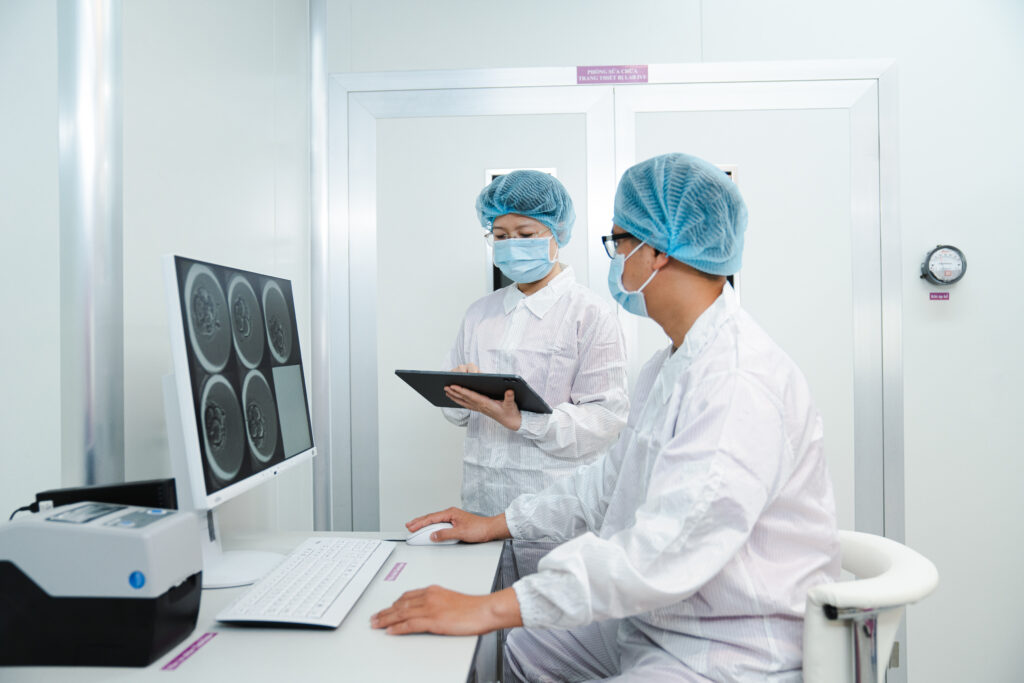
Embryo culture with continuous camera monitoring at IVF Phuong Chau Sai Gon, commonly known as Time-Lapse technology, combines an advanced incubator system with integrated microscopic cameras to capture continuous, time-stamped images of embryos throughout their in vitro development.
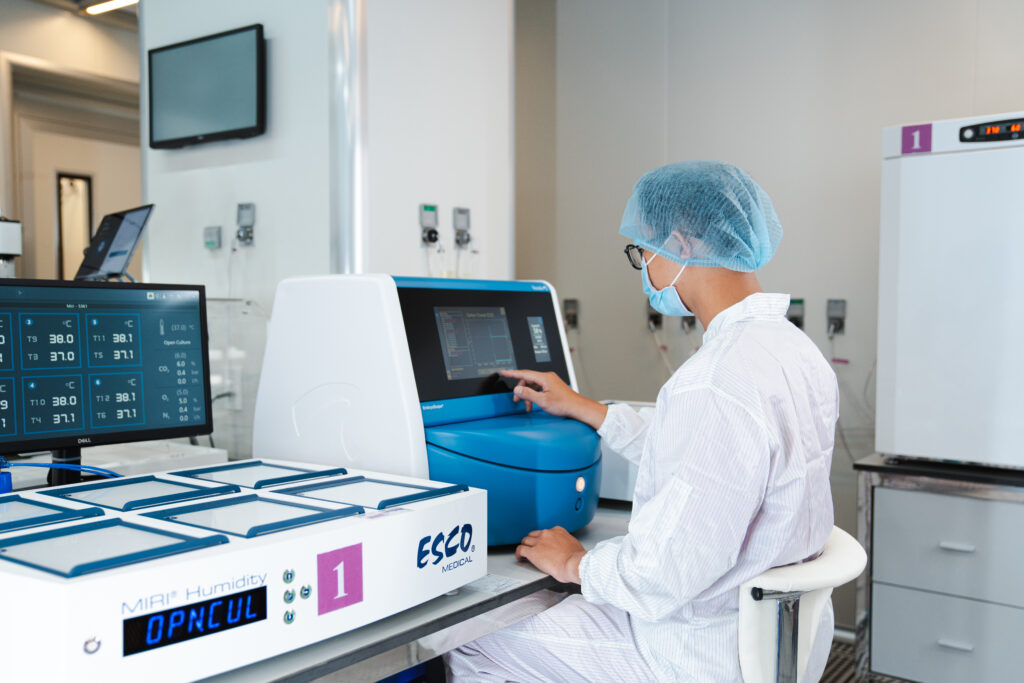
Embryos are cultured within specialized microwell culture dishes integrated into an incubation chamber with continuous camera surveillance. Each patient's embryos are maintained in an individual, dedicated chamber. Every 15 minutes, automated cameras photograph each embryo, generating dynamic morphokinetic data for AI-driven developmental software analysis. Consequently, embryos remain completely undisturbed in a stable, optimized microenvironment from fertilization up to Day 2 or Day 5 blastocyst stage without ever needing removal for manual microscope inspection, ensuring undisturbed culture kinetics and unparalleled environmental stability compared to conventional incubators.
Based on these morphokinetic parameters, embryologists can accurately analyze developmental milestones, cleavage timing, and cell division synchrony. Effectively harnessing continuous time-lapse data empowers clinicians to select embryos with the highest developmental and implantation potential with exceptional precision.